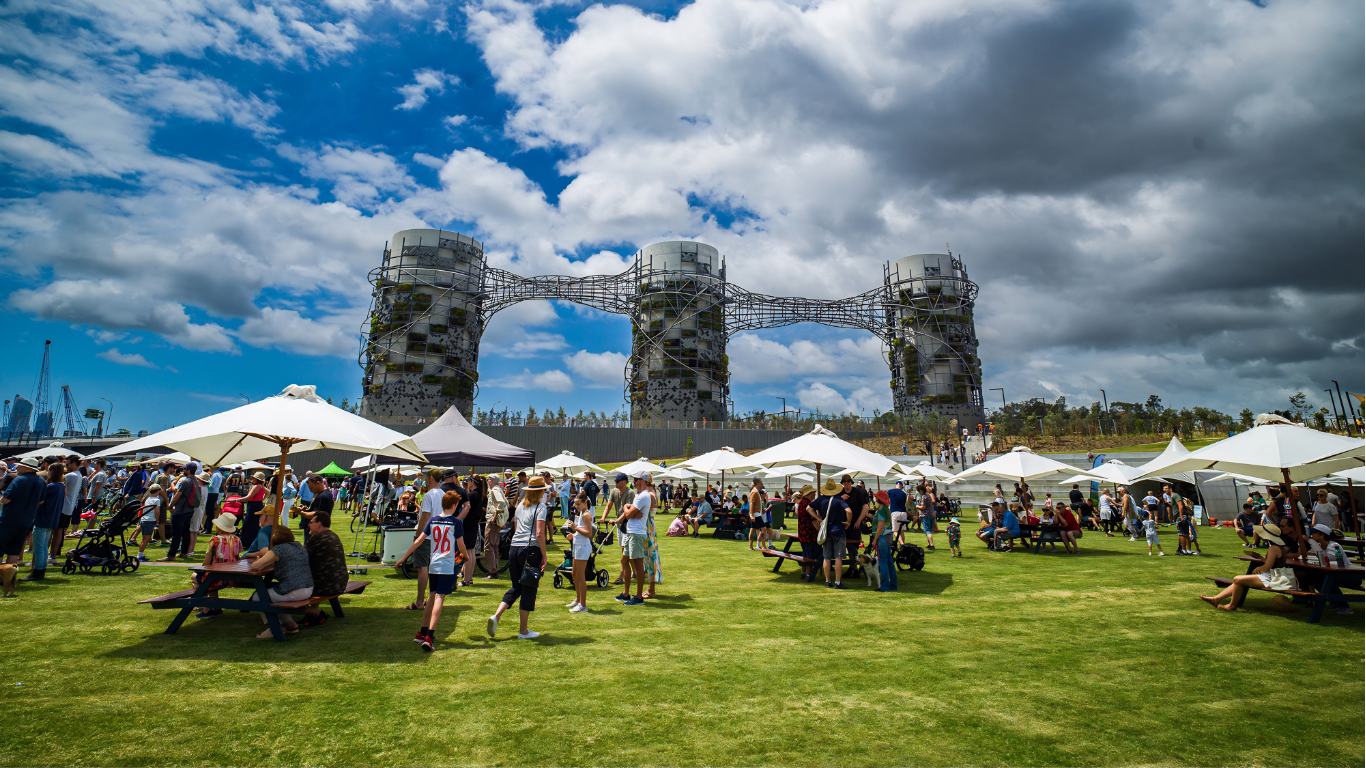
Sustainability in building design is decided at the drawing board
The bim.GROUP Sustainability Report is based on the recognition that the future of the built environment is shaped already during design decisions. Our company aims to present, in a clear and professionally grounded way, the principles through which it addresses one of the most important challenges of the construction industry: environmental and social responsibility.
39 %
Share of global emissions from the built environment
70 %
Of sustainability impacts are determined during the design phase
80 %
Influence over the building’s full life-cycle impact
Sustainability in building design is decided at the drawing board
The bim.GROUP Sustainability Report is based on the recognition that the future of the built environment is shaped already during design decisions. Our company aims to present, in a clear and professionally grounded way, the principles through which it addresses one of the most important challenges of the construction industry: environmental and social responsibility.
39 %
Share of global emissions from the built environment
70 %
Of sustainability impacts are determined during the design phase
80 %
Influence over the building’s full life-cycle impact
Environmental protection
Carbon footprint reduction
Circular economy promotion
Preservation of ecological diversity
Sustainable buildings
Society
Employment & wellbeing
Education & training
Health & safety
Partnership
Corporate governance
Business ethics
Sustainable supply chain
Risk management
Compliance
Environmental protection
Carbon footprint reduction
Circular economy promotion
Preservation of ecological diversity
Sustainable buildings
Society
Employment & wellbeing
Education & training
Health & safety
Partnership
Corporate governance
Business ethics
Sustainable supply chain
Risk management
Compliance
Partnership for achieving goals
Decent work and economic growth
Quality education
Industry, innovation and infrastructure
Life on land
Good health and well-being
Climate action
Responsible consumption and production
Partnership for achieving goals
Decent work and economic growth
Industry, innovation and infrastructure
Good health and well-being
Quality education
Life on land
Climate action
Responsible consumption and production
Why is design a key factor?
The built environment is responsible for nearly 39% of global greenhouse gas emissions, highlighting the industry’s significant responsibility. At the same time, most sustainability-related decisions are already made in the design phase, while early decisions have a decisive impact on a building’s entire life cycle. This means that long-term energy performance, resource demand, and environmental impact are largely defined when the project still exists only at concept level. Design is therefore not merely a preparatory step, but the stage where sustainability can be truly shaped with real substance. According to bim.GROUP’s approach, the role of design engineers is therefore crucial: through the right decisions, not only can operations be optimized, but the overall environmental impact of a building can be significantly reduced.
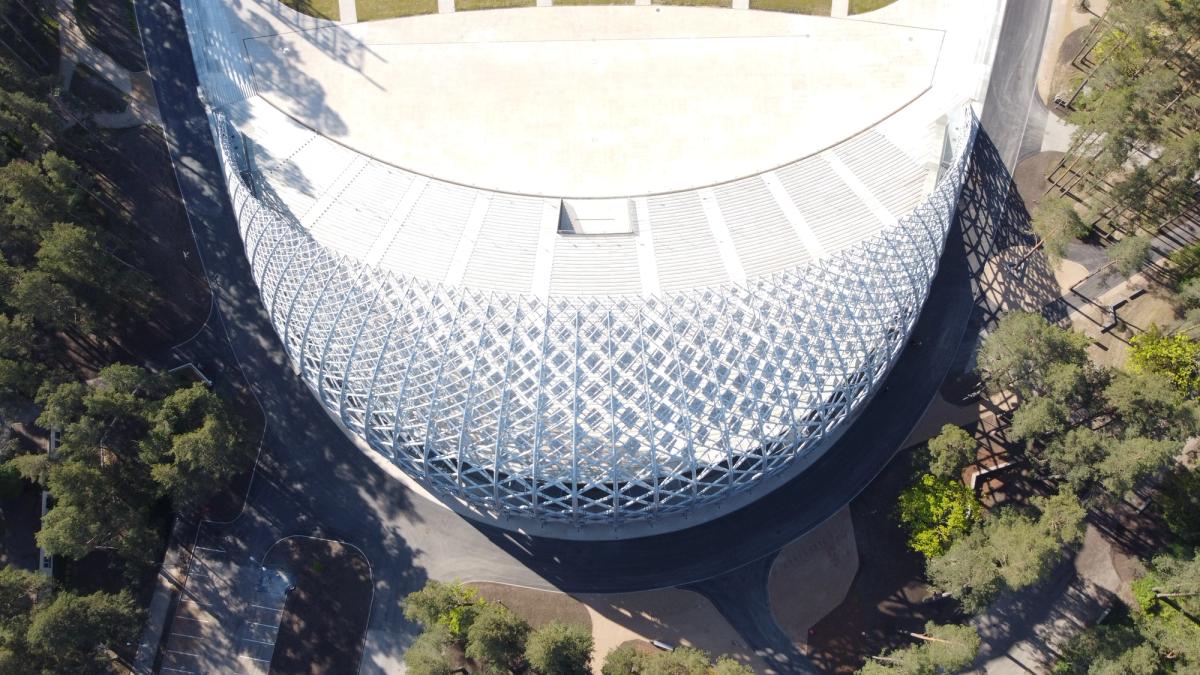
Sustainability decision support
At bim.GROUP, sustainability is not a communication tool, but an integral part of our operations. Accordingly, our Sustainability Report is not a one-time publication, but a decision-support and governance tool that enables more conscious operations and long-term thinking. The report aims to make the logic of the company’s operations transparent, identify strengths and areas for improvement, and define the directions for future development. Importantly, it not only sets out principles but also includes concrete commitments with defined deadlines, ensuring that sustainability becomes tangible in day-to-day operations and design decisions.
Csaba kelemen, CEOZsolt ballay, COO
“Sustainability is only credible to us if it is measurable and continuously trackable year after year. That is why by 2026 we commit to establishing sustainability KPIs, their regular annual monitoring and evaluation, as well as introducing employee and client satisfaction measurements. The next major professional step will come in 2027, when we plan to integrate full life-cycle assessment (LCA) and CO₂ footprint calculations into our design processes. This will allow us to present not only technical and cost considerations in decision-making, but also long-term environmental impacts in a transparent way for our partners.”

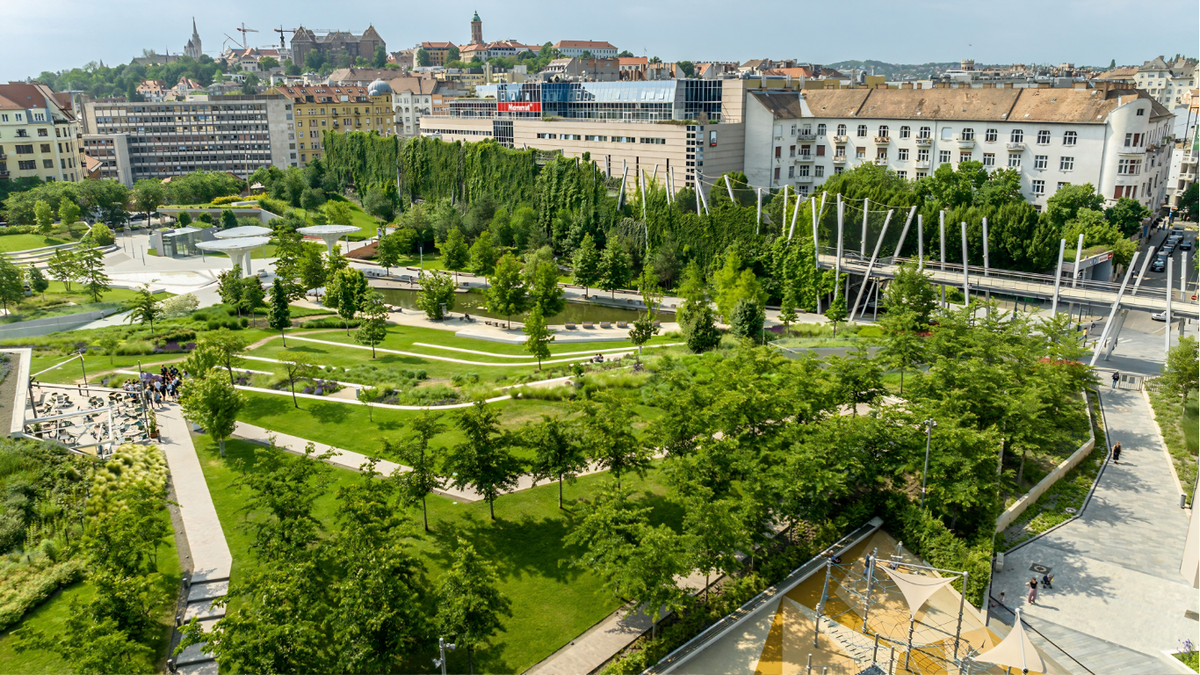
Responsible operations across the value chain
Sustainable operation is not only about optimizing internal processes, but also about consciously shaping the entire value chain. For bim.GROUP, it is essential to integrate sustainability criteria into collaborations with partners as well. In 2024, the company worked exclusively with domestic partners, supporting the local economy while enabling shorter and more transparent supply chains. This model contributes to risk reduction and the development of long-term, stable partnerships. In addition, bim.GROUP plays an active role in shaping its partners’ approach, acting not only as a collaborator but also as a consultant in sustainable design solutions and international green certification systems.
Sustainability in practice
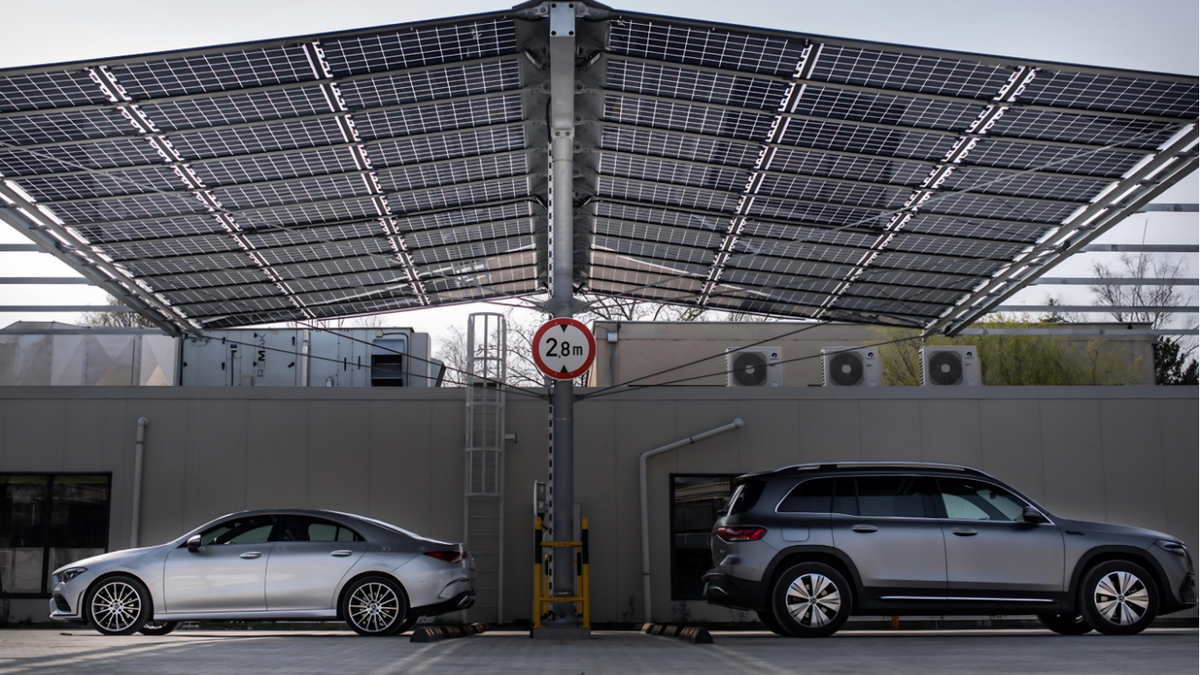
The report also presents real-life projects that demonstrate how sustainability principles are translated into engineering solutions. The Kecskemét Greentech Solar Parking project offers an innovative response to urban infrastructure challenges, combining shading and energy production while significantly reducing material use. The Szeged TILIA office complex shows how heritage preservation can be combined with modern, energy-efficient systems and renewable energy integration. These developments create not only environmental value, but also architectural and community value.
Our role
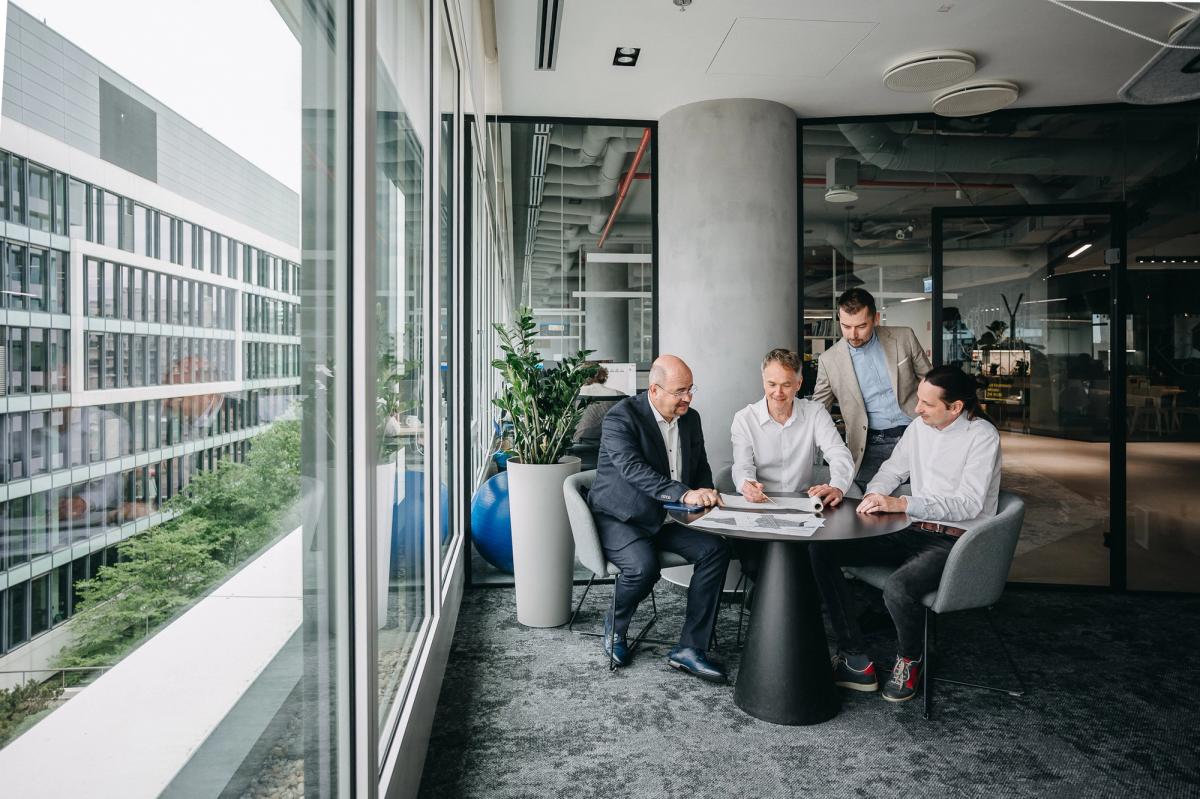
bim.GROUP is a general design office with nearly three decades of experience, active in both Hungarian and international markets. Our operations are based on integrated design thinking, multidisciplinary expertise, and a strong commitment to innovation. With a team of around 100 professionals and coordinated collaboration across disciplines, we are able to deliver efficient and high-quality solutions even for the most complex projects. Continuous development, technological openness, and knowledge sharing enable us to adapt flexibly to changing market and environmental expectations. Our goal is to shape the built environment responsibly and create solutions that provide long-term value for both clients and society.
ESG report