BMW automobile factory Debrecen
Complex industrial structural engineering design for a world-class automotive manufacturing hub
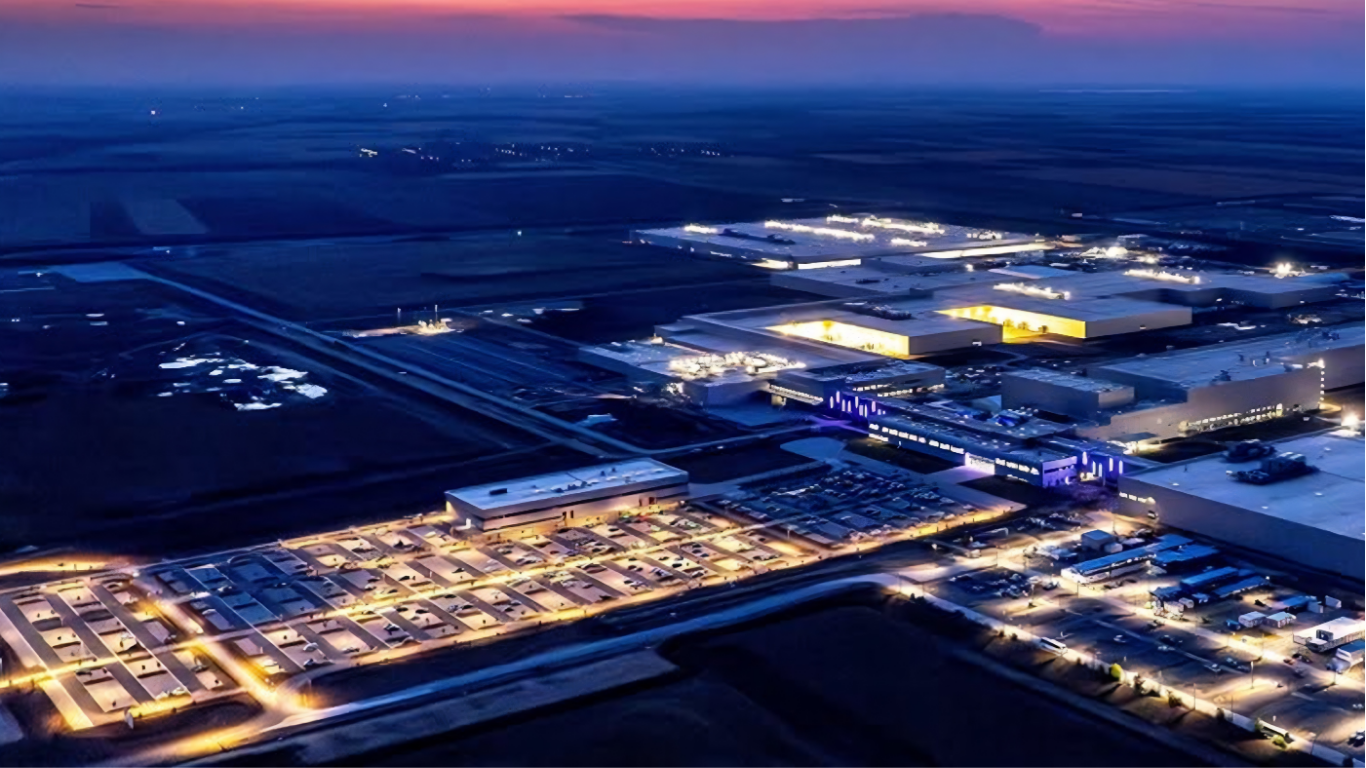
BMW Group Plant Debrecen is one of the most complex industrial developments undertaken in Hungary. Its importance lies not only in the size of the facility or the advanced manufacturing technology it accommodates. The plant is a closely integrated architectural, structural and technological environment in which every component serves a clearly defined purpose. The body shop, paint shop, component logistics areas and assembly-related units each impose different requirements on the buildings that house them. Nevertheless, all of these facilities must operate as parts of one continuous and carefully coordinated production process. In an engineering environment of this complexity, even a relatively small structural detail can influence construction, the placement of technological equipment or the future operation of the plant. The role of bim.GROUP was to translate large-scale structural concepts into precise, verifiable and manufacturable engineering solutions.
Structural design
Detail design
Multi-building industrial complex (Painting, CMR, SKD)
Client: BMW Group
General contractor: KÉSZ Group (and partners)
Area: 140 000 m2
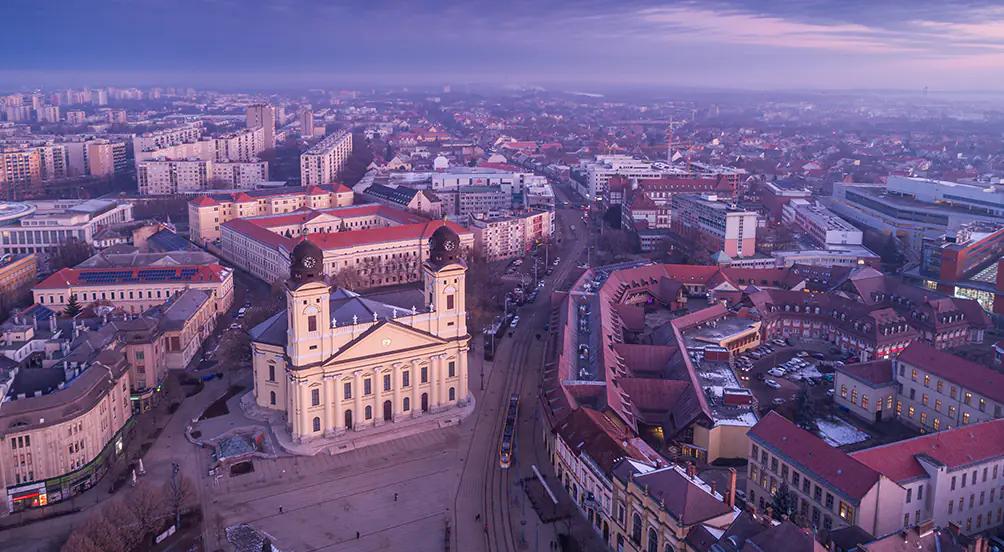
A development reshaping Debrecen’s industrial position
In recent years, Debrecen has emerged as one of Hungary’s key locations for industrial and technological investment. The arrival of the BMW Group plant has further accelerated this transformation, strengthening the city’s position within the European automotive industry. The effects of a development of this scale extend far beyond the boundaries of the production site. Transport and utility infrastructure expand, supplier networks develop, and demand grows for advanced engineering, manufacturing and technological expertise. The project also influences education and the labour market by increasing the value of skills connected to digital design, automated production and modern industrial operations. The plant is therefore not simply a new manufacturing facility. It forms part of a broader economic and technological shift that is expected to shape Debrecen and the surrounding region over the long term.
Multiple buildings operating as one system
From a structural engineering perspective, an automotive plant cannot be approached as a conventional building. It is better understood as a complex industrial infrastructure in which the load-bearing structures must continuously respond to the requirements of the manufacturing technology. Large-span production halls create different structural demands from technological pits, service zones, logistics areas or maintenance platforms. The spatial requirements of production equipment, conveyor systems, mechanical services and access routes must all be considered during the detailed design of the structure. One of the central engineering questions was therefore how the different systems should connect to one another. The primary structure, secondary steelwork and technological support elements could not be designed independently. Precise geometric and structural coordination was required to ensure that the system could be erected safely and operated efficiently.
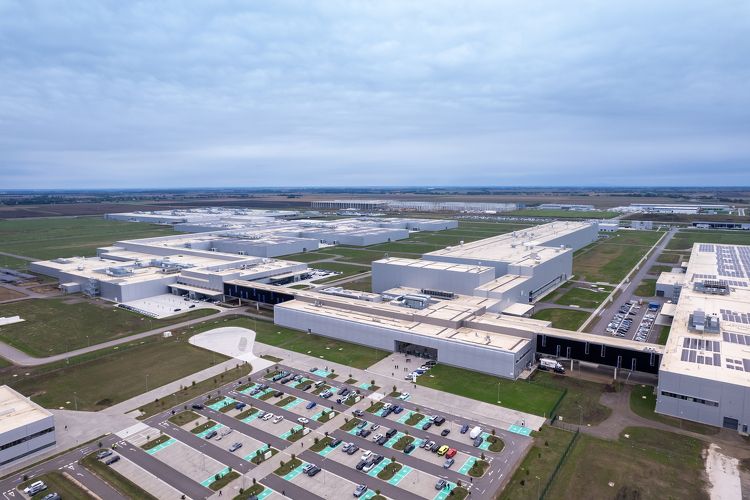
The role of bim.GROUP: from structural concept to manufacturable solution
Bim.GROUP was responsible primarily for detailed structural engineering and fabrication design tasks. A significant part of the work involved structural calculations for connections, the development of steel joints and the preparation of manufacturing documentation. The engineering challenge went beyond verifying the load-bearing capacity of individual elements. Calculation results had to be converted into solutions that could be fabricated in a workshop, transported to the site and installed according to a defined erection sequence. This required consideration not only of structural behaviour, but also of manufacturing methods, material use, accessibility and practical construction constraints. A successful solution had to be structurally reliable, economical to produce and clear to assemble.
Connections: concentrated engineering responsibility
Steel connections are often less visually prominent than long-span beams or large industrial frames, yet they are among the most critical parts of any structural system. Columns, beams, bracing members, brackets and technological support structures meet at these points. Loads are transferred between elements through the connections, meaning that strength, stiffness, deformation and local stresses must all be assessed simultaneously. bim.GROUP carried out the structural verification and detailed design of numerous individual connections. In addition to sizing bolted and welded joints, the work involved defining plate thicknesses, stiffeners, tolerances, assembly clearances and access requirements. In an industrial setting, a connection can only be considered successful when it satisfies both analytical requirements and the realities of fabrication and on-site installation.