Sustainability in Construction Begins at the Drawing Board – bim.GROUP Completes Its First ESG Report
bim.GROUP has completed its first sustainability report. More than simply another corporate document, it is a carefully developed compass for the company’s future operations. Its purpose is to explain clearly—while remaining professionally grounded—how bim.GROUP approaches one of the construction industry’s most critical issues: sustainability.
The document goes beyond traditional corporate reporting. Rather than serving as a one-off communication material, it was created as a management and decision-support tool that increases operational transparency and establishes specific, time-bound development objectives for the coming years.
Responsible Thinking Begins at the Design Stage
The construction industry is a major contributor to global environmental pressures, with the built environment accounting for approximately 39% of greenhouse gas emissions. More importantly, however, many of the factors determining a project’s sustainability are decided during the design phase.
Early decisions affect up to 70% of sustainability-related factors and influence approximately 80% of a building’s environmental impact throughout its entire lifecycle. According to bim.GROUP’s approach, design engineers therefore have a crucial role: this is the stage at which energy efficiency, material use and long-term operational performance are determined.
Measurability and Specific Commitments
Measurability is one of the report’s central themes. The company aims to ensure that sustainability is not treated as an abstract concept but as quantifiable and traceable performance.
To achieve this, bim.GROUP will:
- establish a sustainability KPI system by 2026;
- introduce regular employee and client satisfaction surveys;
- integrate full lifecycle assessments (LCA) and carbon footprint calculations into its design processes from 2027.
This approach will ensure that environmental impacts are clearly reflected in decision-making alongside technical and financial considerations.
Responsible Operations Throughout the Value Chain
Sustainability does not end at the company’s boundaries. In 2024, bim.GROUP worked with 69 partners, all based in Hungary, contributing to shorter and more transparent supply chains and stable professional relationships.
The next step is to make sustainability performance measurable throughout the entire partner ecosystem. This includes developing data collection and reporting systems and educating partners about the benefits of green building certifications such as BREEAM, LEED and WELL.
Sustainability in Practice
The report also demonstrates this approach through specific projects.
KÉSZ GreenTech Solar Parking in Kecskemét is an innovative photovoltaic parking solution that provides both shade and renewable energy generation. Its specialised structural design significantly reduces the amount of steel required, resulting in a lower carbon footprint than conventional solutions.
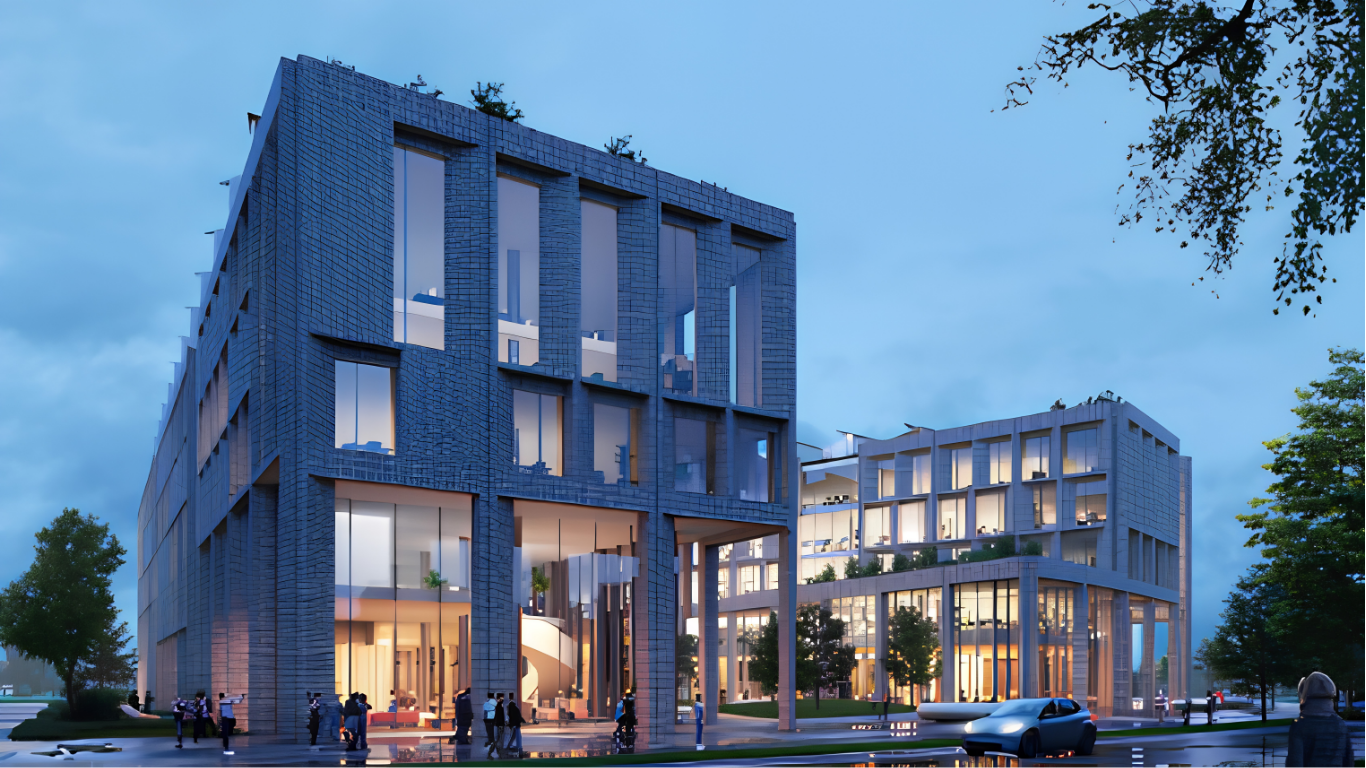
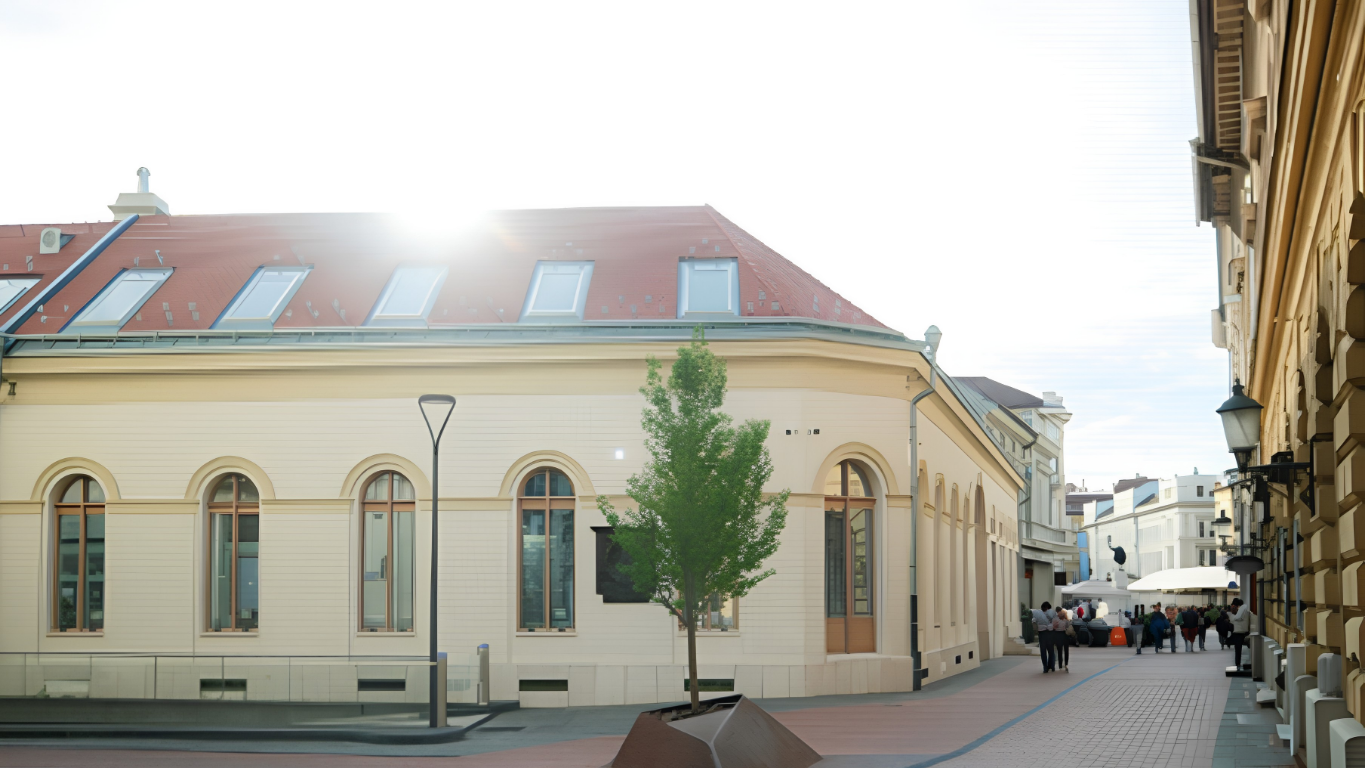
The TILIA office complex in Szeged demonstrates how the preservation of historic heritage can be combined with modern, sustainable technologies. In addition to energy-conscious building services, renewable energy sources and planned international certifications, the project also includes a tree-planting programme designed to offset its carbon footprint.
A Clear Message
bim.GROUP’s first sustainability report communicates a clear message: sustainability is not a separate objective but a fundamental part of daily operations and professional thinking.
The document not only presents the company’s current position but also establishes a clear path for development—one in which conscious design, data-driven decisions and responsible collaboration shape the future of the construction industry.
The full report is available in the ESG section of the bim.GROUP website.
Additional content
Additional content